
Our Unity in Care project works to strengthen mental health support systems for vulnerable children and youth across Albania, Greece, Kosovo, and Romania. While the project trains professionals and adapts evidence-based methodologies like Movement, Games, Sports and Creativity (MGSC), its foundation rests on a core principle: children and young people themselves must guide how we understand and address their mental health needs.
This commitment to meaningful child participation takes concrete form through one International Child & Youth Advisory Board (CAB) and four national CABs. These aren't consultative bodies where adults ask children questions and move on, they're spaces where young people exercise genuine influence over the project's direction, messaging, and identity.
Young people take the lead on branding
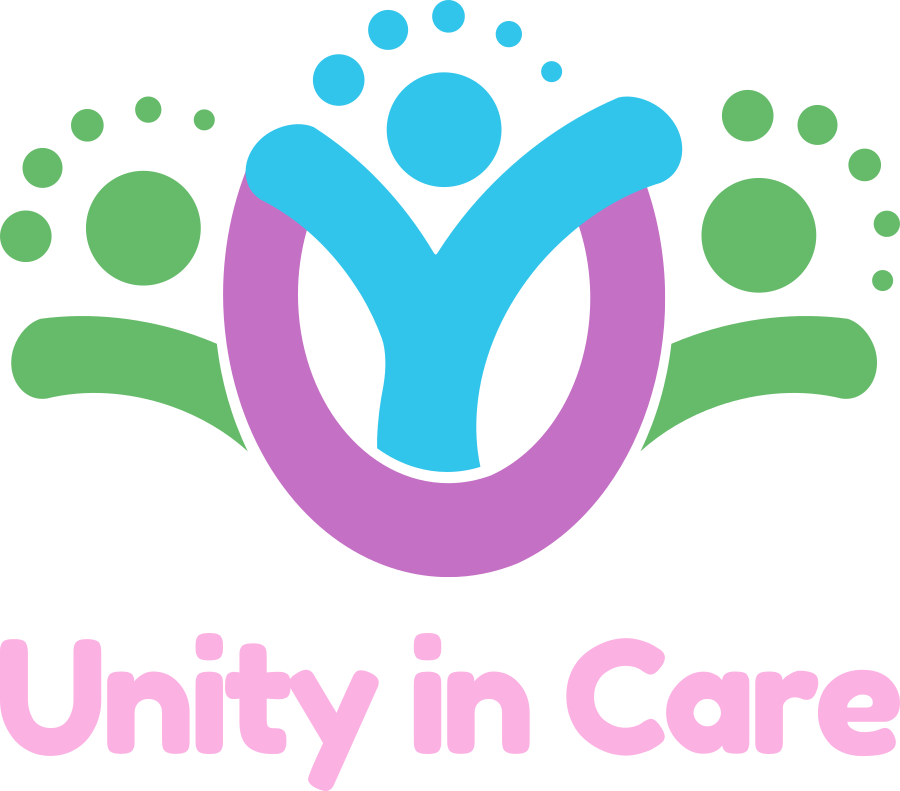
CAB members took creative control of the project's visual identity. Communications colleagues from Terre des hommes introduced concepts around colour psychology and branding, then stepped back to let the young advisors work.
Breaking into small groups, the children experimented with different colour combinations for the Unity in Care logo. They came prepared with colour codes, proposed gradient solutions, and engaged deeply with visual design principles. Through collaborative discussion and collective decision-making, they created the new logo that now appears on all project materials: a visual identity shaped by the young people the project serves.
Co-creating mental health messages for professionals
Another workshop brought advisory board members together to develop messages on mental health for the professionals working in this field across Europe. It was an invitation for them to share what adults working with vulnerable youth genuinely need to understand.
The conversation that unfolded was profound. Advisory board members shared openly and thoughtfully, revealing patterns in their experiences: the critical need for safe spaces where feelings can be expressed without judgment, the importance of meaningful communication with trusted adults, the ongoing journey of healing and self-care, the vital role of peer and family support, and the hidden emotional struggles that many children carry invisibly.
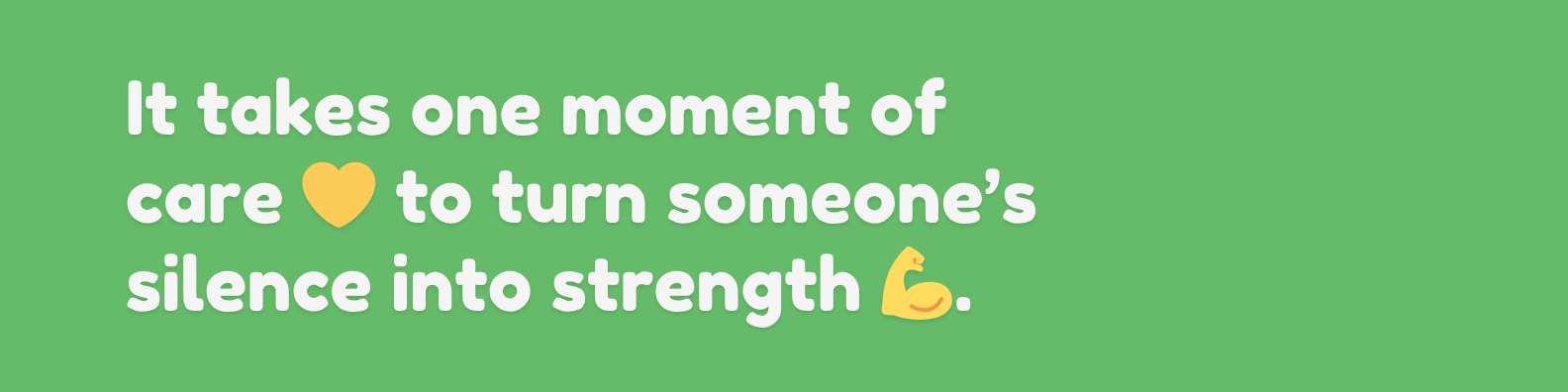
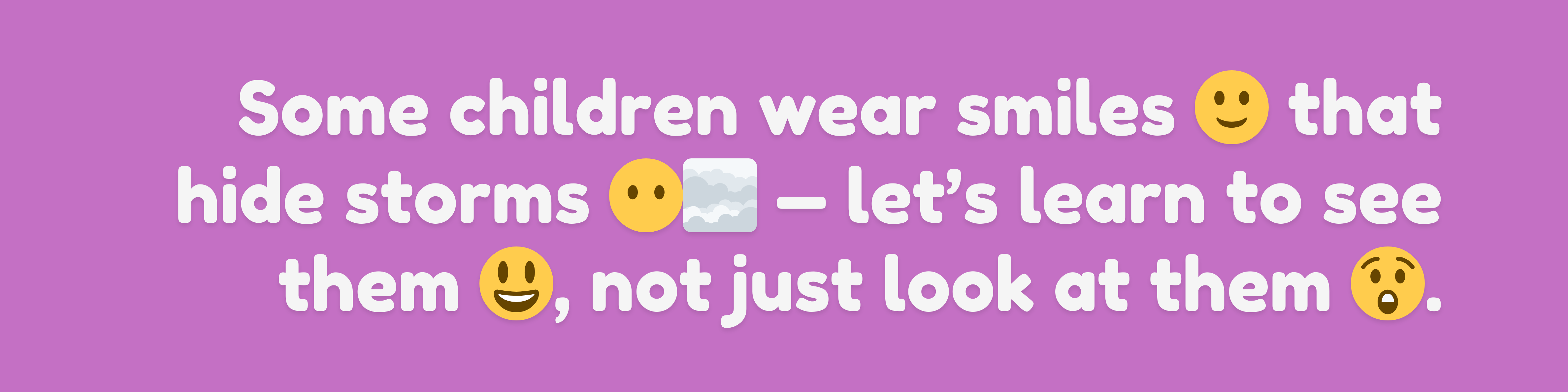
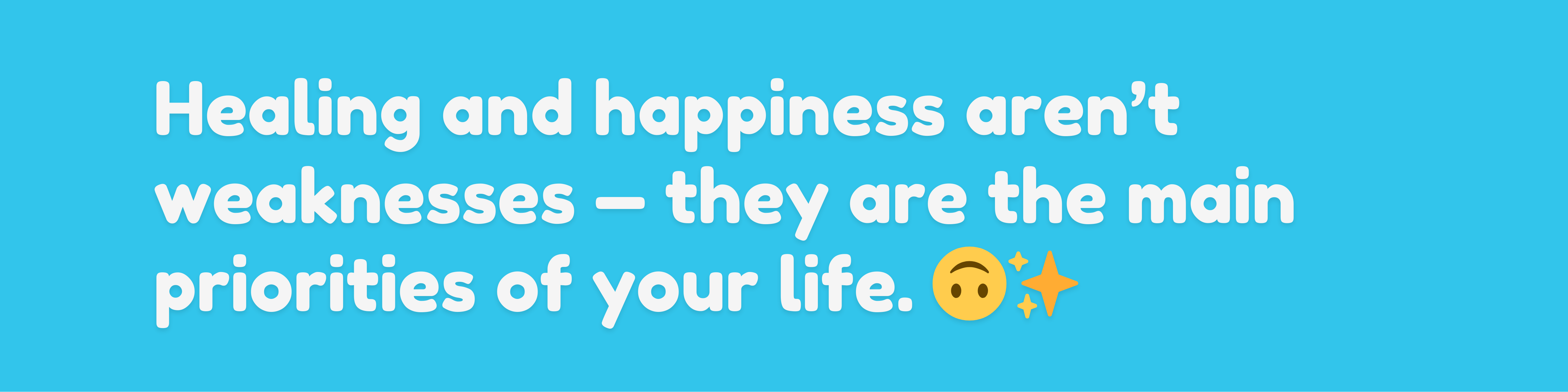
From these discussions, powerful social media messages emerged, crafted entirely in the children's own words, that challenge professionals to reconsider how they approach mental health support.

Why meaningful participation matters
Unity in Care aims to train 216 mental health and non-mental health professionals and reach 1,300 beneficiaries with adapted mental health and psychosocial support (MHPSS) interventions. These numbers matter, but they gain meaning through the perspectives of young people themselves.
The young advisors didn't validate our assumptions about what they need. They showed us new dimensions of mental health support. They created a visual identity that represents their understanding of care and unity. They articulated messages that professionals working across the mental health spectrum need to hear.
These contributions are their gift to us. Our responsibility is to listen, learn, and act on what they've shared.
***
Unity in Care: Advancing Mental Health Support Systems for Vulnerable Children and Youth is funded by the European Union. Views and opinions expressed are, however, those of the author(s) only and do not necessarily reflect those of the European Union or the European Education and Culture Executive Agency. Neither the European Union nor the granting authority can be held responsible for them.