
Restoring dignity and building futures for youth in detention
In Romania, children and young people deprived of their liberty often face a harsh reality: poor detention conditions, limited access to education, psychological vulnerability, lack of vocational opportunities, and social stigma that severely limits their chances of reintegration. Our PRECISION projects responded to these challenges by improving the wellbeing of children and young people in detention, supporting their rehabilitation and social reintegration, and ultimately reducing recidivism.
Our impact in 2020–2025
By designing a holistic support model that included psychosocial and creative activities, mentoring, vocational guidance and education, sports, 3D technology, improved detention conditions, and public engagement, the PRECISION projects gave young people in four educational and detention centres in Romania a second chance to lead meaningful and dignified lives.
Building resilience through psychosocial support
Mental health and emotional wellbeing were at the core of the PRECISION projects. Over 200 young people received individual or group counselling and therapy, helping them process trauma, build emotional self-regulation, and restore their sense of self-worth. Group resilience activities further supported emotional growth and peer bonding, equipping participants to cope with life in detention and envision a life beyond it.
Empowering youth through hands-on learning
Young people need more than encouragement; they need practical skills that build their future. In the Tichilesti Detention Centre, we set up a fully equipped FabLab (Fabrication Laboratory), where 78 young people learned to design and create objects using 3D printing and digital tools. These hands-on experiences helped them discover new abilities, gain confidence, and gave them a sense of achievement. The initiative’s success led the National Administration of Penitentiaries to promote the FabLab as a model of good practice across Romania’s detention system.
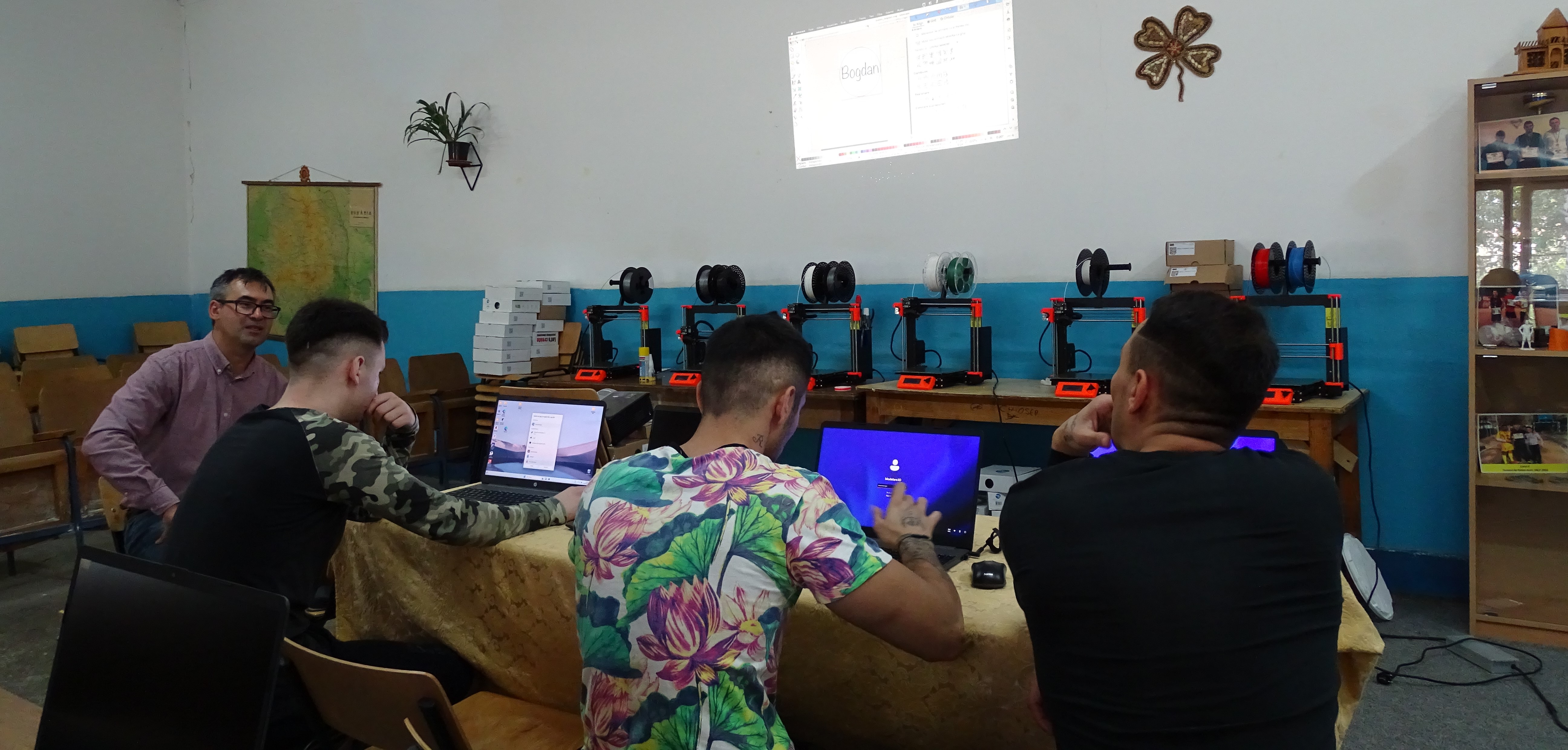
We also facilitated vocational training in fields such as haircutting and digital literacy in all four centres. Artistic and expressive activities including painting, folk dance, theatre, and non-verbal communication encouraged participants to explore their creativity, rebuild self-esteem, and reconnect with their potential.
Learning empathy and teamwork through sport
Using our Movement, Games and Sports (MGS) methodology, sports monitors engaged nearly 240 children and young people in detention, offering a valuable outlet for emotional expression and personal growth. Through dynamic games and group play, participants improved their physical health while developing empathy, teamwork, communication, and self-confidence.
"Teamwork activities helped them to communicate more with each other, to control their anger during the game, to get excited about their or their colleagues’ achievements, to congratulate their opponents even if they won or lost," said Nicușor Marinescu, sports monitor in Craiova Detention Centre. In challenging detention setting, these sessions helped build trust and discipline, supporting lasting behavioural change and reducing the risk of reoffending.
Mentoring for reintegration
A dedicated mentoring programme supported 65 young people in preparing for life after detention. Mentors, some of whom had been in detention themselves, offered guidance based on lived experience, helping participants regain hope and chart a path forward. “I rely very much on my success story and with this I hope to motivate them,” said Bogdan, a former detainee who became a mentor after receiving training from Tdh.
By earning the trust of young people and helping them reflect on priorities, mentors addressed fears of reintegration and encouraged practical steps like seeking employment or rebuilding family ties. These relationships offered not only motivation but a concrete sense that positive change is possible.
Improving detention conditions
The projects also addressed the basic living conditions of children and youth in detention, providing clothing, hygiene products, and other essentials to improve their daily lives. These improvements helped ensure that detention centres offer a more humane, respectful, and dignified environment, in line with children’s rights standards. They also reinforced the message that every child deserves to be treated with care and respect, regardless of their circumstances.
Towards a child-centred justice system
Beyond direct work with children, the PRECISION projects aimed to create systemic change. Justice professionals were trained in child-friendly practices, and detention staff received tools to better communicate, negotiate, and engage positively with youth. The goal was to replace punitive methods with rehabilitative, rights-based practices, giving young people a better chance at real change.
Raising awareness and shifting public perception
For rehabilitation to succeed, society must also be ready to support it. To raise public awareness, we organised a national press trip involving journalists, professionals, and young people in detention. The visit resulted in media coverage across radio, news websites, and other platforms, helping to humanise the experiences of young people and promote a more compassionate, evidence-based approach to juvenile justice. These public engagement efforts also helped strengthen collaboration with the National Administration of Penitentiaries and encouraged the replication of successful practices.
The projects PRECISION: Promote rehabilitation, empowerment of children and support for youth offenders (2020–2022) and PRECISION 2: Promoting wellbeing and reducing recidivism of juvenile offenders in Romania (2023–2025) were implemented by the Terre des hommes Foundation in Romania, with financial support from the Medicor Foundation. The projects were carried out in partnership with the National Administration of Penitentiaries and the following centres: Craiova Detention Centre, Braila Tichilesti Detention Centre, Targu Ocna Educational Centre, and Buzias Educational Centre.
